


Refreshing at the Starting Line while Forging ahead to Expand our Horizons
Greetings on the LEA Newsletter Aug 2023!
In the northern hemisphere, many of us might have just ended our summer vacation. If so, I hope this email finds you well and refreshed after the summer break. September has knocked at our doors, and with it comes a new academic year filled with endless possibilities and opportunities to inspire our students. I hope you are as excited as I am to share with you new insights to kickstart your new academic year!
Just over the weekend, if you have been following our social media pages (if you have not, you can do so via these links: (LinkedIN)(Facebook)(Twitter)), you would have known that a grand Mother Tongue Languages Symposium (or MTLS) has just concluded in Singapore. This is an annual event which celebrates good practices and efforts by both schools and the community in the teaching and learning of Singapore’s official mother tongues (Mandarin, Malay and Tamil), and is a signature event where I am involved annually in my full-time profession.
I am happy to say that the event was a wonderful success, noting the high attendance rate and engaged audience. It has been a journey since the pandemic, and this is the first time since where the event has finally returned to a full face-to-face mode. It is just like a fresh start and hopefully we can ride on the energy it has brought to sustain the progress of language education in Singapore.
Aptly as it is, I do hope that many of us are all ready for a fresh start to the new academic year! Of course, for those like many of my colleagues in Southeast Asia, we are actually entering the concluding months of the academic year – the reviewing phase to reflect upon what has been achieved for the year.
Regardless of where we are, the month of August has been fit with the theme of “Refresh” for Language Educators Assemble. I have started revisiting our earliest published articles and also gave them a fresh start – by updating the articles with fresh insights and new perspectives. Our very first article “What is LANGUAGE? Cracking the code with 5 definitions of language that matter according to research in linguistics” challenges us to revisit our conceptualisation of this “entity” that we are dealing with day in day out. I do recommend that we read it (again) and reflect on our framework towards language learning – have we perhaps overly emphasised specific facets, inadvertently neglecting other functions of language that hold equal significance?
Riding on the momentum of these thoughts, I proceeded to revise an additional pair of interconnected articles, this time in drawing comparisons with dialects or varieties: “Decoding Language and Dialect: What is the difference between a LANGUAGE and a DIALECT? (your Top 5 questions truly answered)” and “Distinguish between LANGUAGE and DIALECT: 5 Astonishing reasons why it is Difficult”. The earlier article teases the differences between “language” and “dialect” while the latter delves in a bit deeper on why it can be very difficult to distinguish between the two scientifically. If we have not engaged with academic research pertaining to these concepts, these are important reads as they tackle head-on the biases we carry surrounding the status and societal values attributed to different proclaimed “languages” and “dialects/varieties”.
Other than refreshing previous articles, I continued to expand our horizons by uncovering potential areas for innovation. My goal: to empower us in engaging learners through multiple avenues, fostering a truly holistic language learning experience. This time round, we were brought to the territory of “Linguistic Landscapes”. Linguistic Landscapes research serves as a reminder that we can stretch language learning to encompass our day-to-day surroundings. By utilising Linguistic Landscapes as resources for language learning, we can offer our learners a learning experience that is not only more inclusive and comprehensive but also more stimulating. Other than providing an exposition on the field, this article also provides 25 actionable tips across five key areas that we can consider in our inventory of innovations for the upcoming year.
Following this, I decided to work on a follow-up article in response to the influx of feedback on the topic of Language Attrition. If you have not read the previous article, here it is. The fact that it captured attention humbles me, and it’s heartening to see some of our peers keen to explore the topic more deeply with the goal to seek out strategies to counteract the phenomenon. To be honest, it is not impossible but neither is it easy. In this follow-up article, I delved in deeper to explore the various factors that may modulate the degree or rate of language attrition, with a bag of simple tips at the end of the article that we may consider implementing. I know they may still be insufficient, and I probably have to continue the journey, but I do hope this helps to alleviate some of the concerns we have in the interim.
Language Educators Assemble is coming to a year old! If you have ever browsed our archives using the date filter, you would have noticed that our very first article was published in September 2022. I am very glad that I have persevered, and that the platform is growing – both in content and potential, as well as attention from language educators who are very passionate about their craft and wanting to seek out insights from the academic community. It has not been easy taking this journey, but it is definitely worth it. Please do join me as a contributor – I can assure you that I have grown tremendously in terms of professional knowledge and resilience – and let’s continue to make a difference to language education through our language educators, you!
Warm Regards,
Chin Yew KIEU
Founder, Language Educators Assemble
Join our mailing list!
Receive insights and EXCLUSIVE resources on language education in a monthly newsletter, fresh into your inbox. No Fees, No Spam, so No Worries!
Don’t Miss Our Featured Content for Aug 2023
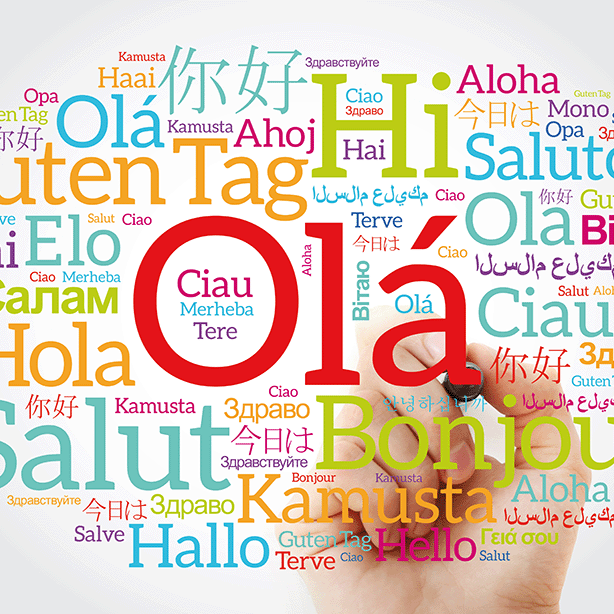
What is LANGUAGE? Cracking the code with 5 definitions of language that matter according to research in linguistics
Unearth the essence of LANGUAGE through 5 diverse definitions of language that every language educator must know. So, ‘what is LANGUAGE’? Delve deeper in this enlightening read.

Decoding Language and Dialect: What is the difference between a LANGUAGE and a DIALECT? (your Top 5 questions truly answered)
What is the difference between language and dialect? Uncover the shades of meaning behind these terms as we explore the diverse definitions and debates surrounding language variation in this illuminating article.

Distinguish between LANGUAGE and DIALECT: 5 Astonishing reasons why it is Difficult
Curious about how language and dialect can be differentiated? Distinguish between language and dialect with this informative post, with additional information why it can be difficult to do so.

Harnessing Linguistic Landscapes for Language Learning: A Comprehensive Guide (5 Key Areas of 25 Awesome Tips)
Unleash the power of LINGUISTIC LANDSCAPES for language learning with this comprehensive guide. Unlock 25 powerful actionable tips across five key areas, empowering you to engage effortlessly with the environment. Embark on the journey here!

The Powerful Hidden Forces: 13 Factors affecting LANGUAGE ATTRITION disclosed by research
Unravel the intricate web of FACTORS AFFECTING LANGUAGE ATTRITION! Do you know how factors like age, language management, and language attitudes impact the extent of language attrition? Uncover the truth in this article now.
Stay Tuned for What’s To Come!
- Miniseries on Decoding Definitions – continued
- Deciphering the language attitudes of our stakeholders
- More updates to previous articles with new insights and information
