

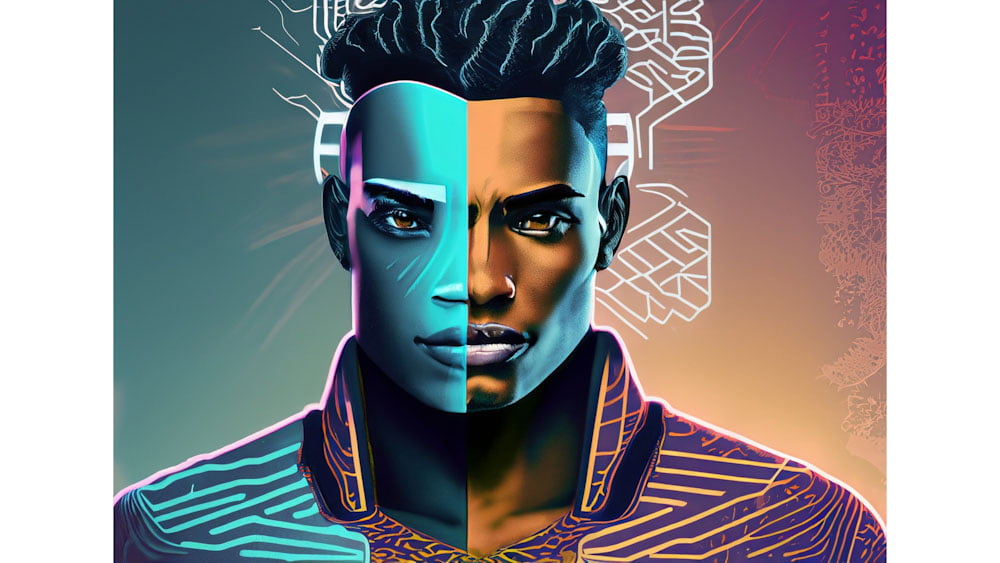
Have you heard of the Digital Twin Technology? Join the conversation on the potential of using DIGITAL TWINS to transform language education.
Table of Contents
- What is DIGITAL TWIN TECHNOLOGY? What are DIGITAL TWINS?
- How has the DIGITAL TWIN TECHNOLOGY been applied?
- What are possible benefits of DIGITAL TWINS in education (especially for language learning)?
- DIGITAL TWINS as students’ personalised avatars
- DIGITAL TWINS for professional development of language teachers
- DIGITAL TWINS for content-based instructional approaches
- Conclusion: Digital Twins to transform Language Education?
In a world driven by constant technological advancements, a groundbreaking innovation has emerged, transforming industries across the board. We have heard of all the buzzwords circulating the internet even before the pandemic: Artificial Intelligence (AI), Internet of Things (IoT), Metaverse, and augmented and virtual reality (VR / AR) technologies. What if there was something that fuses them into an organic system?
This is somewhat the premise of the DIGITAL TWIN TECHNOLOGY. By seamlessly integrating the digital and physical worlds using the range of technologies at disposal, DIGITAL TWINS offer a virtual replica of real-world objects, processes, and environments. You might be wondering: is this just another fancy concept that we are toying with? Not so, according to this article “What is digital-twin technology?” as published by McKinsey.
In this short musing, taking the jump from this short article, I would just like to introduce our readers to this technology and have a quick discussion on the multiple possibilities in moving digital twins to transform language education.
What is DIGITAL TWIN TECHNOLOGY? What are DIGITAL TWINS?
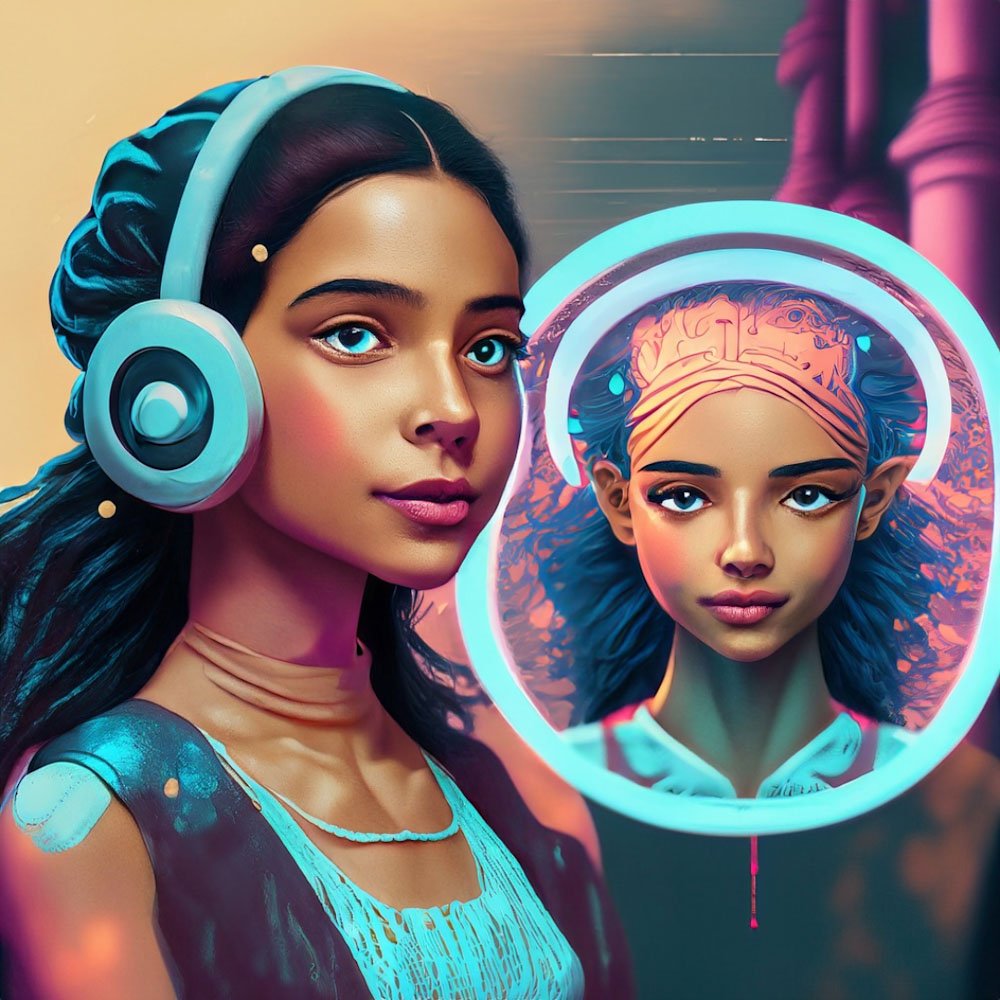
As mentioned, DIGITAL TWIN TECHNOLOGY integrates AI, IoT, metaverse, and VR / AR technologies to construct digital models that replicate real-world objects, systems, processes or environments which then continues to use real-world data to create simulations and predict performance.
The DIGITAL TWINS thus refer to the virtual replicas in question. They are usually built to simulate the behaviours of the actual physical objects, people, or processes they are emulating, while providing real-time updates and generating behavioral insights derived from data. In other words, these DIGITAL TWINS are being used as a bridge between the physical and digital worlds, enabling organisations to monitor and analyse the performance of their assets or systems more effectively.
Imagine the potential implications if you were to possess an exact replica of yourself—a “digital doppelgänger”—existing in a meticulously recreated digital environment of your home, workplace, neighborhood, or even your entire city. Now, take it a step further: envision this digital twin of yours being immune to harm, pain, and embarrassment. The sheer magnitude of the power of digital twins is awe-inspiring. It goes without saying that with such a resource at your disposal, you would likely approach decision-making with a heightened level of assurance and certainty regarding the resulting outcomes. This is exactly what McKinsey presented in the article as an enticing affordance of this technology.
I thought the best example of a digital twin as provided in the article was Google Maps. It is a digital product which “maps” out the world around us and provides real-time traffic data to facilitate our navigation in the real world.
Get real-time updates and BE PART OF THE CONVERSATIONS by joining LEA’s online communities on your favourite platforms! Connect with like-minded language educators and get inspired for your next language lesson.
How has the DIGITAL TWIN TECHNOLOGY been applied?
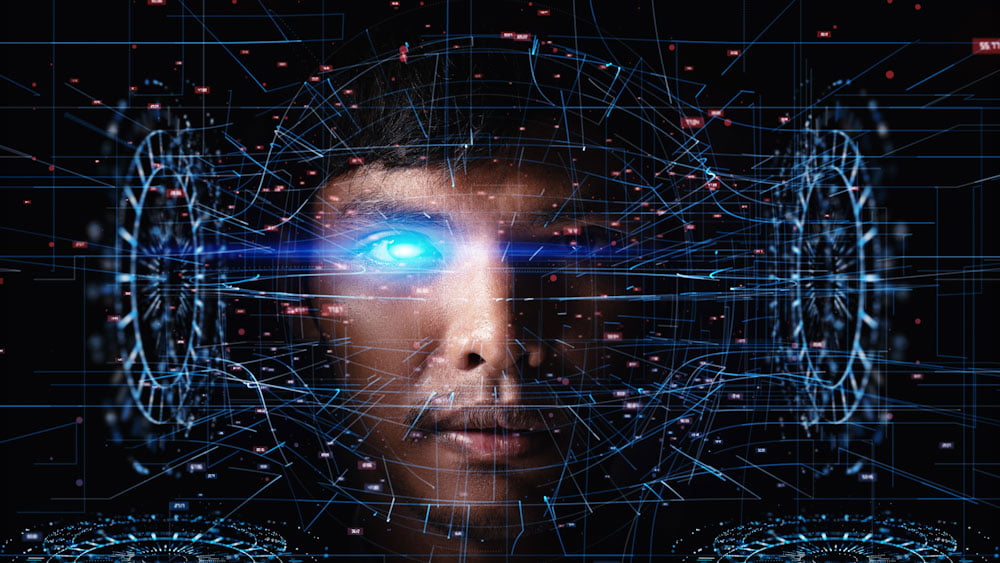
The DIGITAL TWIN TECHNOLOGY has enabled digital transformation of various industries. Other than Google Maps, the technology has also been used in a wide range of fields, including applications in healthcare and educational contexts:
- Drug development: Digital twins enable researchers to simulate the effects of drugs on virtual models of patients, speeding up the drug development process and reducing the need for extensive clinical trials.
- Treatment optimisation: By modelling the individual characteristics of patients, digital twins have helped healthcare providers optimise treatment plans, ensuring the most effective and personalised care.
- City management: As used in Shanghai, a complex replica of the city was built with simulation of an impressive array of 100,000 elements ranging from refuse disposal and collection facilities to e-bike charging infrastructure, allowing the government to better collect data in real-time and respond to emergencies.
- Automotive vehicle manufacturing: In the automotive industry, the digital twin allows for the analysis of operational data to make real-time assessments, improvements and optimisations in vehicle performance and safety.
- Trainings for high-risk assignments: Digital twins can be used for immersive training experiences, enabling employees of high-risk jobs to practise and enhance their skills in a safe and controlled environment.
- Teaching of engineering: models of actual physical objects (e.g. F-16s) are built by disassembling to enable opportunities of digital engineering in virtual labs by university students at Wichita State University.
What are possible benefits of DIGITAL TWINS in education (especially for language learning)?
As seen in the examples on vocational education mentioned earlier, we have seen emerging adoption of this technology within the realm of education. However, specifically for language learning, I have yet to find any examples of adoption of digital twins. Is it that digital twins cannot be applied for language learning, or have we not yet discovered domains that can leverage its affordances for experiential learning?
In just letting my thoughts run wild, here are some of the possible use cases where digital twins can play a role in language learning (not today, perhaps some time in the future):
DIGITAL TWINS as students’ personalised avatars
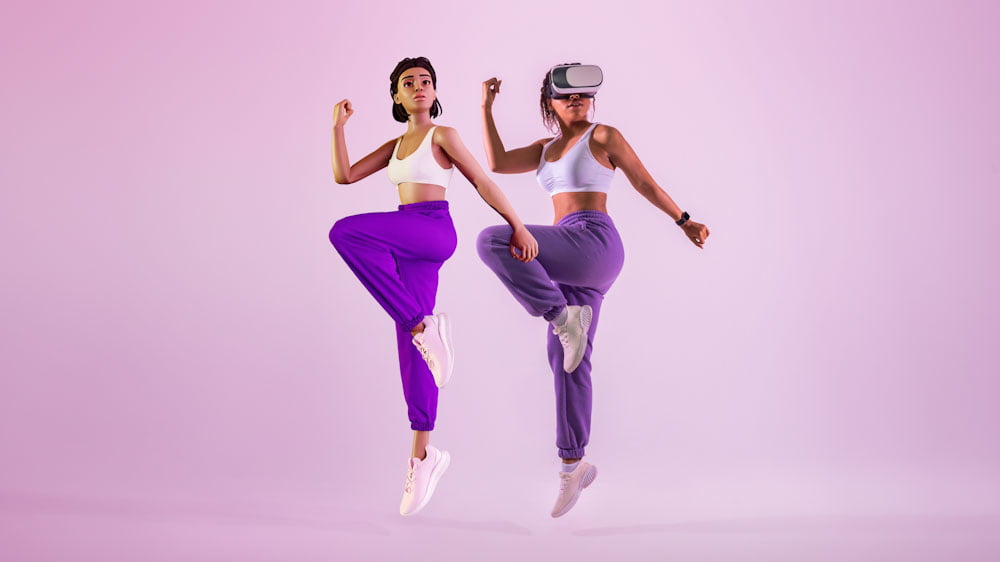
Imagine the creation of digital twins for students based on their personalities, inclinations, language proficiencies, etc; and then these digital twins become their own avatars that go around the metaverse to interact with avatars of other target language users, allowing students to both listen and respond in real time. The novelty of such immersive learning experiences might already be a good head start for some classes.
In the virtual world, students are usually more willing to experiment and take risks, including language. However, they can compensate by reflecting on things that happen to their digital twins in the process of languaging, and make better decisions on their own language practices in real life. With the avatars and the metaverse, the space for language learning is extended for foreign languages that may have little presence in the learners’ daily environment – the DIGITAL TWIN TECHNOLOGY may help in extending the benefits of language immersion trips in this manner.
DIGITAL TWINS for professional development of language teachers
Supposed digital twins of students with various archetypes are engineered into an virtual environment, in which we can try different approaches in engaging them and then reflect upon the effects of those approaches? How would that then change professional development of teachers, especially pre-service teachers who do not have the luxury of going into actual classes yet?
Even for experienced teachers, what if there are really bold ideas that we want to try out but have been held back for various reasons? Within the virtual environment, we can test out and enhance those methods before using it within classrooms in a natural experimental setting. Sometimes, I wonder that might also be more ethical, in contrast to subjecting control groups of students to a treatment (or non-treatment) knowing in theory that they would be disadvantaged or shortchanged. The use of digital twins might be able to resolve this – though we can argue on its reliability.
DIGITAL TWINS for content-based instructional approaches
I am sure we are not completely foreign to language teaching approaches such as the Immersion Approach, Content-based instruction or Content and Language Integrated Learning. The similarity between these approaches lies in the concurrent learning of content in the target language. If that is so, why should not the educational experiences of our learners be similar to those in vocational education (from the examples earlier)? Nevertheless, I believe future research would yield interesting possibilities of how we may incorporate that within our teaching and learning of languages.
From my perspective, students in language classrooms can also experience “engineering”, “healthcare” or any other areas which has adopted digital twin technology. Other than learning the content of the discipline in question, our learners also learn about the target language use within that discipline (e.g. German language in engineering for English-speaking students). The digital twin technology allows our students to explore environments that used to be less accessible to the general population.
Join our mailing list!
Receive insights and EXCLUSIVE resources on language education in a monthly newsletter, fresh into your inbox. No Fees, No Spam, so No Worries!
Conclusion: Digital Twins to transform Language Education?
The potential of DIGITAL TWIN TECHNOLOGY are exciting, given the advancements we see in AI, IoT, Metaverse, and VR / AR technologies. We are already reaping some of these benefits in certain fields. Perhaps the costs are still too high for language education, such that it has not yet pervade our discipline widely. Nevertheless, I believe future research would yield interesting possibilities of how we may incorporate that within our teaching and learning of languages.
Not to forget, large language models and generative AI were also distant before ChatGPT was introduced to the world in Nov 2022. So, who can predict that this technology will not come to language education sooner than we taught? Bits and pieces are already in place – I believe the challenge is about putting them together coherently for our use cases and to be very mindful of the digital divide between the privileged and the under-privileged.
Thank you for reading! If you like what you are reading, do subscribe to our mailing list to receive updated resources and tips for language educators. Please also feel free to provide us any feedback or suggestions on content that you would like covered.
